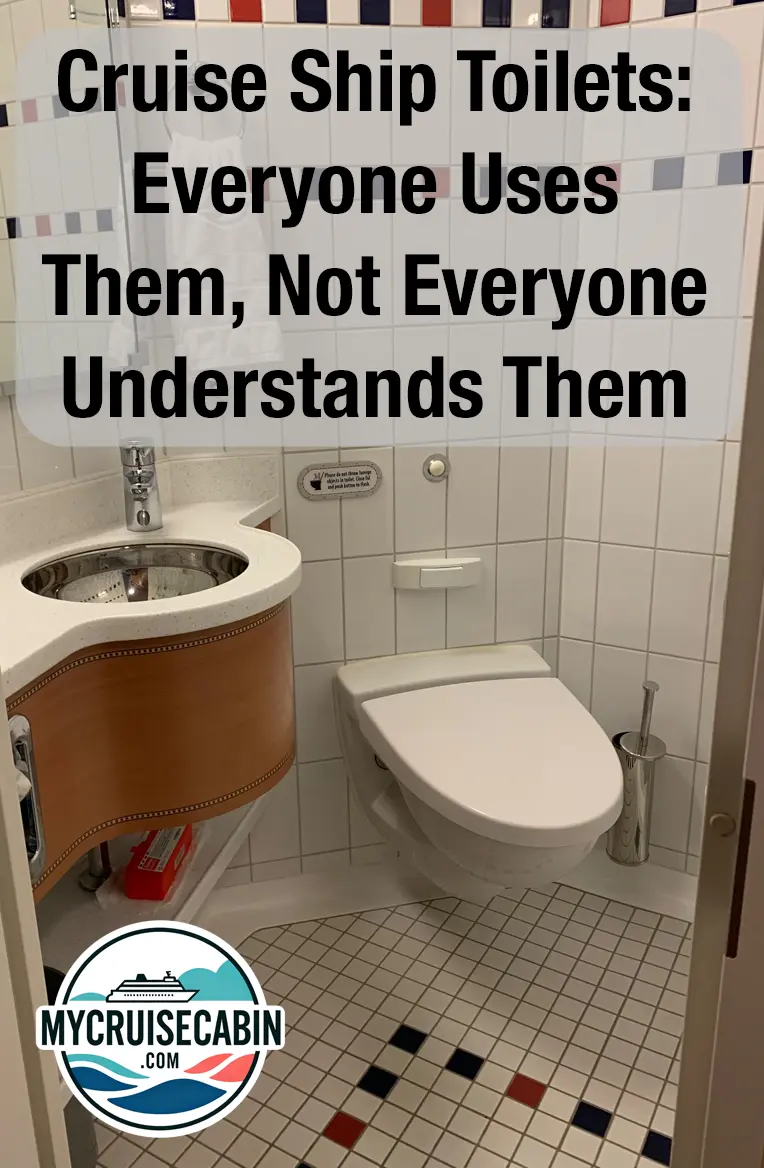
Cruise Ship Toilets: Everyone Uses Them, Not Everyone Understands Them (And Why That’s Actually Important)
At some point on almost every cruise — usually early, often quietly — someone brings up that cruise.
The one that went so wrong it became cruise folklore. The one people half-jokingly reference when they ask, “So… what happens if the toilets stop working?”
Yes, that cruise. The infamous “poop cruise” that eventually made its way into a Netflix documentary and permanently lodged itself in the collective memory of cruisers everywhere.
It’s funny now. A little uncomfortable. And oddly reassuring, because it reminds us of something very real: on a ship, some of the most important systems are also the least glamorous.
Cruise ship toilets fall squarely into that category.
Everyone uses them. Everyone depends on them. And surprisingly few people really understand how they work — or how much thought goes into keeping them working smoothly.
The First Flush Is Always a Moment
If it’s your first cruise, you almost always remember the first time you flush the toilet in your cabin.
You press the button, expecting something familiar.
There’s a brief pause — just long enough to make you wonder if anything happened — and then suddenly the toilet announces itself with a loud, unmistakable WHOOSH that feels far more dramatic than anything you have at home.
For a split second, many first-timers freeze.
Did I break it?
Was it supposed to sound like that?
Did something just leave the ship?
Relax. That sound is exactly what it’s supposed to do.
Why Cruise Ship Toilets Sound So Aggressive
Cruise ship toilets don’t rely on gravity the way land-based plumbing does. Instead, they use a vacuum system that pulls waste away quickly and efficiently using very little water.
That loud rush of sound is the system engaging — creating negative pressure and moving everything along fast. It’s efficient, reliable, and far more water-conscious than most home toilets.
The tradeoff is that it doesn’t try to be polite about it.
The system is designed for performance, not subtlety.
Why Cruise Lines Are So Serious About What You Flush
You’ve probably seen the sign. Every cruise ship has one, usually posted in a place where it can’t be ignored.
Only flush what comes from you — and the toilet paper provided.
This isn’t a courtesy reminder. It’s a hard rule.
Because cruise ship plumbing is part of a shared vacuum network, flushing the wrong thing doesn’t just affect your cabin. One mistake can disrupt toilets in multiple cabins or even entire sections of the ship.
Wipes, paper towels, feminine products, and “flushable” items from home don’t break down the same way — and the vacuum system is not forgiving.
Most plumbing issues at sea aren’t caused by mechanical failure. They’re caused by people assuming the rules are flexible.
They aren’t.
Use Your Cabin Toilet Whenever You Can
Here’s something experienced cruisers quietly do without making a big deal out of it:
Whenever possible, they use the toilet in their own cabin instead of public restrooms.
It’s not about fear. It’s about minimizing exposure.
Public restrooms are cleaned frequently and maintained well — but they’re also used by hundreds, sometimes thousands, of people every day. Your cabin bathroom, by comparison, is used by a very small number of people.
Fewer hands touching surfaces.
Fewer shared spaces.
Fewer chances for germs to move around.
That matters more than people realize.
Norovirus: The Reality (Without the Panic)
Norovirus gets a lot of attention when it appears on a cruise ship, but the virus itself isn’t unique to cruising.
Norovirus is everywhere.
You can pick it up at grocery stores, malls, offices, schools, restaurants, and sporting events. The difference on a cruise ship isn’t that the virus exists — it’s that people remain together in close proximity for days at a time.
On land, people scatter.
On a ship, they don’t.
That makes outbreaks more visible and easier to trace, which is why cruise ships often seem to get singled out in headlines.
Why Hand Washing Is Non-Negotiable
This is why cruise lines are so insistent about hand washing, especially before meals.
Hand sanitizer helps, but soap and water are far more effective, particularly when it comes to norovirus.
Using your cabin restroom when you can, washing your hands thoroughly, and being mindful of shared spaces are simple habits — but together, they dramatically reduce the chances of getting sick.
They’re not dramatic solutions. They’re just effective ones.
If the Toilet Stops Working, Don’t Play Plumber
Occasionally, the vacuum system may pause or temporarily stop working due to maintenance or pressure adjustments.
If you press the flush button and nothing happens, the worst thing you can do is try to fix it yourself.
Don’t keep pressing the button.
Don’t poke around.
Don’t experiment.
Instead, notify your room steward or contact guest services (often still called the purser’s desk). This is a routine issue for them, and they’re equipped to handle it quickly.
Trying to “help” almost always creates a bigger problem.
What Happens to Waste (No, It’s Not Dumped Overboard)
This is another common misconception — and an understandable one.
Cruise ships do not dump waste directly into the ocean.
Modern ships use advanced, high-tech wastewater treatment systems that process both sewage and gray water onboard. These systems clean the water to very high standards before anything is released back into the sea — often cleaner than what many land-based systems produce.
Strict international regulations govern when, where, and how treated water can be discharged. In many areas, ships hold everything until they’re allowed to release treated water safely.
The idea of cruise ships simply dumping waste overboard is outdated — and inaccurate.
The Bottom Line
Cruise ship toilets aren’t glamorous, but they’re one of the most carefully engineered and closely monitored systems onboard.
They’re loud because they’re powerful.
They’re efficient because they’re designed to be.
And they work extremely well when people understand how to use them.
Most cruise plumbing horror stories don’t happen because the systems fail — they happen when people don’t realize how interconnected everything is.
Use your cabin bathroom when you can.
Wash your hands — really wash them.
Respect what you flush.
And if something goes wrong, let the crew handle it.
Do that, and cruise ship toilets will fade into the background — exactly where they belong.
Do you remember your first cruise ship toilet experience, or have you ever been on a sailing where plumbing suddenly became the most talked-about topic onboard?
Post a comment below. Almost everyone has a story — whether they admit it or not.
Comments
Loading comments...
You May Also Like
Share Your Cruise Photos
Been on a cruise recently? Your cabin photos can help thousands of travelers make better booking decisions. Upload your photos and become part of our growing community of cruise enthusiasts!