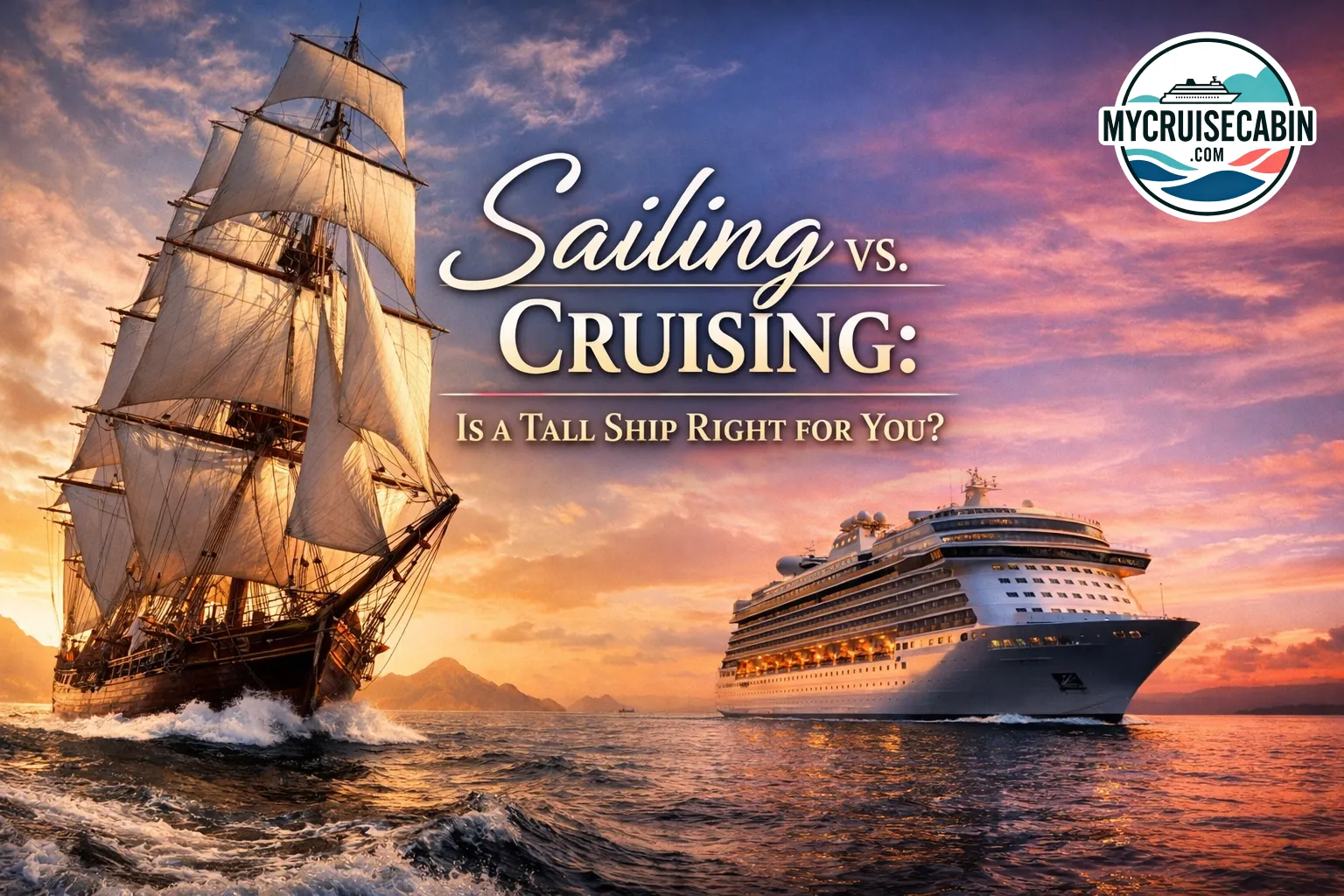
Ditching the Mega-Ship for the Tall Ship Life
Let’s be real: modern cruising has become a bit of an arms race. Every time a new "largest ship in the world" launches, it comes with more water slides, more specialty restaurants, and enough passengers to populate a small city. But what if you’re looking for something that actually feels like… well, a ship?
Enter the world of tall ship cruising. This isn't your standard trip on a floating resort. We're talking about teak decks, the snap of canvas in the wind, and a connection to the ocean that you just can't get when you're fifteen stories above the waterline on a mega-liner. If you’ve spent any time browsing cruise ship reviews, you know that the experience varies wildly depending on the vessel. When it comes to sailing, two names usually dominate the conversation: Windstar Cruises and Star Clippers.
While they both look like something out of a 19th-century adventure novel from a distance, the experience onboard couldn't be more different. Before you trade your balcony for a porthole, let’s break down the "tall ship" life and see if you have the sea legs for it.
Windstar vs. Star Clippers: The Battle of the Masts
If you want the aesthetic of a sailing ship but still want someone to peel your grapes, Windstar Cruises is your speed. Think of Windstar as "modern luxury meets the Age of Sail." Their ships, like the Wind Surf, are technically motorized yachts with computer-operated sails. The sails are often used for stability and to assist the engines, but you aren't going to see the crew climbing the rigging. Inside, it’s all about the "wow" factor: plush cabins, incredible food variety, and a service level that makes you feel like the owner of the yacht.
On the flip side, you have Star Clippers. This is for the purists. If Windstar is a luxury SUV, Star Clippers is a vintage Jeep with the top down. These are authentic tall ships where the sails do the heavy lifting. You’ll hear the winches grinding and the crew shouting orders. If you’re the type of person who wants to help hoist a sail or lie in the bowsprit netting while the waves crash beneath you, this is your tribe. The cabins are smaller, the vibe is more historic, and the experience is much more hands-on.
The Physicality of the "Heel"
One thing they don't always mention in the glossy brochures is the "heel." When a sailing vessel catches a stiff breeze, it doesn't stay perfectly flat like a 225,000-ton Royal Caribbean ship. It tilts. This is called heeling, and it turns every trip to the bar into a mini-workout for your core.
Walking down a hallway while the ship is heeling requires a bit of strategy. You’ll find yourself leaning into the tilt, using the handrails for more than just balance. For some, this is the magic of sailing: feeling the power of the wind literally moving the ship. For others, it’s a quick ticket to "Green Face City." If you’re worried about the motion, you definitely want to check out lower-deck cabin locations where the movement is less intense.
The Technical Quirks: Heavy Doors and Sloped Floors
Living on a tall ship comes with some unique architectural "charms" that you won't find on a standard deck plan. First, let's talk about the doors. Because these ships are smaller and lower to the water, they are built with serious maritime safety in mind. You’re going to encounter heavy, steel watertight doors with high sills (the "trip hazards" at the bottom). You don’t just walk through these; you step over and heave them open.
Then there are the staircases. Space is at a premium on a sailing vessel. Forget the grand, sweeping atriums of the big lines. Here, you’ll find narrow, steep stairs (often called "companionways") that require a firm grip on the railing.
One of my favorite quirks? The sloped shower floors. In a standard hotel or mega-ship, the shower drain is at the lowest point of a flat floor. On a sailing ship, the floor is often sloped at a specific angle so that even when the ship is heeling over to one side, the water still finds its way to the drain instead of flooding your cabin. It’s a genius bit of engineering, but it feels very weird the first time you step into a shower that isn't level! When looking at cruise ship deck plans, keep in mind that these vessels prioritize function and wind-resistance over massive interior volume.
Hidden Harbors and Beach Landings
This is where the tall ships absolutely crush the competition. While the "Icon-class" giants are limited to massive, industrial ports with deep-water piers, a sailing ship can tuck into tiny Mediterranean coves or Caribbean bays that look like they belong on a postcard.
Because these ships are smaller, they often don't even use a pier. Instead, you’ll ride a tender (a small boat) from the ship directly to a wooden dock or, better yet, a "wet landing" on a beach. There’s nothing quite like stepping off a tender into knee-deep turquoise water to start your day in the Grenadines.
If you want to see what these spots actually look like before you book, browse through our user-submitted port photos. You’ll see the difference between the crowded shopping malls of Nassau and the secluded beaches of Jost Van Dyke.
Is the Motion of the Ocean for You?
Let’s talk about the elephant in the room: seasickness. If you get queasy looking at a bathtub, a tall ship might be a challenge. You will feel the ocean. You will hear the masts creaking. You will feel the ship rise and fall with the swells.
For many of us, this is the soul of travel. It’s the difference between watching a documentary about the sea and actually being in it. However, if you’re prone to motion sickness, come prepared.
Amazon link to Sea-Band Anti-Nausea Acupressure Wristbands
As an Amazon Associate, MyCruiseCabin.com earns from qualifying purchases.
While Windstar ships have advanced stabilizers that do a great job of smoothing things out, the smaller Star Clippers vessels are more at the mercy of the waves. If you aren't sure, it’s always a good idea to check out real passenger photos of the cabins to see just how close to the waterline you’ll be sleeping.
Making the Choice
So, is a tall ship right for you? Ask yourself these questions:
Do I prefer a 24-hour buffet or an intimate dining room with a view of the sails?
Do I want a Broadway show or a local musician playing on a teak deck under the stars?
Am I okay with a bit of a "physical" vacation where walking to breakfast is an adventure?
Do I want to visit the world's most famous ports or the world's most hidden ones?
If you're leaning toward the latter, it's time to stop looking at the mega-ship brochures and start looking at sailing ship deck plans. These voyages offer a level of romance and adventure that a floating amusement park simply can't replicate. Whether you choose the polished luxury of Windstar or the rugged authenticity of Star Clippers, you're in for a trip you'll never forget.
Before you book, make sure to visit our cabins gallery to see exactly what those specialized sailing cabins look like. Space is tight, and you don’t want any surprises when you're trying to navigate those heavy watertight doors!
What’s your take on the tall ship life? Have you ever braved a heeling ship, or do you prefer the rock-solid stability of a 20-deck mega-liner? Drop a comment below and let us know your favorite way to sail!
Comments
Loading comments...
You May Also Like
Share Your Cruise Photos
Been on a cruise recently? Your cabin photos can help thousands of travelers make better booking decisions. Upload your photos and become part of our growing community of cruise enthusiasts!